Nasal Release Technique in Colorado Springs: A Conversation on Concussions, Breathing, Sinus Issues, and Growing Faces
A collaborative Q&A with Dr. Codi Osborne of Innately Yours Chiropractic Studio and Jessica Deardorff, LMT of Inspire Movements Massage Therapy
When people think about breathing issues, sinus pressure, post-concussion symptoms, or crowded teeth, they usually do not assume those conversations belong together.
But maybe they should.
At Innately Yours Chiropractic Studio, Dr. Codi Osborne is bringing a different perspective to the table with Nasal Release Technique in Colorado Springs. And alongside trusted collaborator Jessica Deardorff, LMT of Inspire Movements Massage Therapy, this conversation becomes even bigger: not just about symptoms, but about structure, tension, adaptation, and the way the body responds to stress over time.
We sat down to talk about Nasal Release Technique, why modern breathing is more dysfunctional than most people realize, how cranial compression may relate to concussion recovery and sinus issues, and why parents may want to think differently about mouth breathing, expanders, and crowded teeth.
Q: Dr. Codi, what made you want to bring Nasal Release Technique to Colorado Springs?
Dr. Codi:
Because too many people are being told their symptoms are separate when they are actually connected.
Someone comes in with post-concussion symptoms. Someone else is dealing with chronic sinus pressure. Another person snores, mouth breathes, has headaches, TMJ tension, brain fog, or vertigo. A parent is told their child’s mouth is too small, their teeth are crowded, and braces or expanders are just the next normal step.
But if you zoom out, those are often not isolated problems. They can reflect deeper issues with cranial compression, breathing mechanics, tension patterns, and nervous system stress.
I wanted to offer a technique that speaks to that bigger picture instead of just chasing one symptom at a time.
Q: For someone brand new to it, what is Nasal Release Technique?
Dr. Codi:
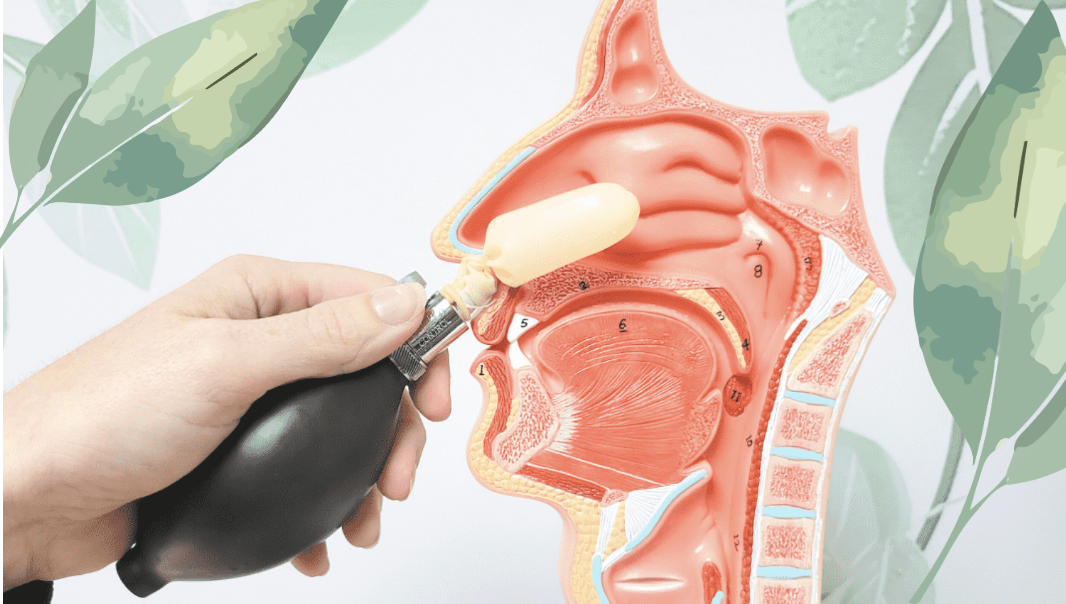
Nasal Release Technique is a specific approach that works through the nasal passages to help address cranial restrictions and support better function in the head and face.
That matters because the cranial bones, surrounding tissues, and related structures influence much more than people think. They can affect sinus drainage, breathing, pressure patterns, jaw function, sleep quality, and how someone feels after trauma, especially after a concussion.
So while the name makes it sound like this is just about the nose, it is really a much broader conversation about cranial function and how the body adapts when things are under compression.
Q: Jessica, from your perspective, why does this conversation matter so much?
Jessica:
Because you can see how much compensation people are carrying.
People come in with tight jaws, overworked neck muscles, shallow breathing, guarded shoulders, headaches, facial tension, and nervous systems that never seem to fully settle down. The body is always trying to adapt, but adaptation is not the same thing as ease.
When breathing is compromised or the head and neck are under chronic tension, the whole body starts organizing around that stress. Movement changes. Sleep changes. Recovery changes. Sometimes mood and focus change too.
That is why I love this conversation. It helps people understand that they are not broken. Their body has just been compensating for a long time.
Q: Dr. Codi, you wanted this blog to touch on the book Breath by James Nestor. Why?
Dr. Codi:
Because Breath helped put words to something many of us are seeing every day: modern society is breathing terribly, and then acting shocked when health starts to break down.
We have normalized mouth breathing. We have normalized snoring. We have normalized chronic congestion. We have normalized poor sleep and kids growing up with crowded teeth and narrow arches. We keep looking for the next fix while ignoring the fact that function often got lost a long time ago.
It is a little wild, honestly. We have people sleeping with their mouths open, barely using their noses the way they were designed to, and then wondering why the system is struggling.
Breathing matters. Nasal breathing matters. Structure matters. And when the cranial system is not functioning well, the body often pays for it in ways people do not immediately connect.
Q: Let’s talk about concussions. How does Nasal Release Technique fit into that conversation?
Dr. Codi:
Very directly.
When someone experiences a concussion or head trauma, we are not just talking about a temporary event and then moving on like nothing happened. Trauma can create lingering compression patterns, tension patterns, and altered function in the cranial system and surrounding structures.
That can show up as headaches, brain fog, dizziness, sinus pressure, sleep disruption, trouble concentrating, light sensitivity, TMJ tension, tinnitus, vertigo, and just this overall feeling that something is still off.
A lot of people get told to wait it out. But when the body is still adapting around compression, waiting is not always enough. Nasal Release Technique gives us a way to address part of that pattern more directly.
Q: Jessica, what do you often notice in people dealing with post-concussion symptoms?
Jessica:
A lot of guarding.
The jaw stays tight. The neck and upper shoulders are working overtime. Breathing is often shallow. Rib movement can become restricted. Sometimes people do not even realize how tense they are until their body starts to unwind a little.
From a bodywork perspective, that matters because the body rarely isolates stress to one area. So if someone has been compensating after trauma, supporting the soft tissues, jaw, neck, and breathing mechanics can be a really valuable complement to the work Dr. Codi is doing.
Q: Dr. Codi, you also mentioned sinus issues and people trying to avoid functional nose surgery. Tell us more about that.
Dr. Codi:
A lot of people are living with chronic sinus pressure, poor nasal breathing, recurring congestion, headaches, and sleep disruption. They are frustrated, and understandably so.
What concerns me is that many people are pushed quickly toward symptom management or more invasive options without enough conversation about function. If the cranial system is restricted and surrounding tissues are under compression, then that deeper pattern deserves attention too.
That is where Nasal Release Technique can be an important option to explore. It is not about pretending there is one magical answer for every person. It is about recognizing that the body may need support in how it is functioning, not just a workaround for the symptoms it keeps producing.
Q: One of the boldest parts of this conversation is the orthodontic piece. Why do you feel so strongly about that?
Dr. Codi:
Because we are calling things normal that should make us pause.
If a child is mouth breathing, snoring, chronically congested, developing crowded teeth, or being told their mouth is too small, I do not think the conversation should start and end with, “Well, I guess braces are next.”
Cranial compression affects surrounding structures. It can influence how the face develops, how the mouth forms, how the teeth fit, and how the airway functions. In many cases, what looks like a too-small mouth is really a system developing under stress and restriction.
That does not mean every child should never need orthodontic support. It does mean parents deserve to know there may be deeper functional reasons behind what they are seeing.
Q: Jessica, how do you see that tension show up physically in kids and adults?
Jessica:
In adults, you often see the end result of years of compensation. Tight jaws, forward head posture, neck pain, shallow breathing, headaches, clenching, and bodies that look like they have been bracing for a long time.
In kids, it can be subtler at first. Mouth open posture. Restless sleep. Tension in the face. Difficulty settling. Chronic congestion. It is easy for people to dismiss because it is common, but common does not always mean ideal.
That is why I appreciate this more functional conversation. It helps people get curious earlier.
Q: Dr. Codi, you also wanted to reference Hidden Valley Road. How does that fit into this topic?
Dr. Codi:
Not because it is a book about breathing or cranial work. It is not. But because it is a book about trauma, the nervous system, and what happens when suffering ripples through a person and a family for years.
That matters here.
Trauma changes people. Sometimes dramatically, sometimes subtly. Sometimes it leaves a visible story, and sometimes it leaves a body that stays guarded, compressed, and stuck in survival patterns. A jaw that never relaxes. A breath that never deepens. A nervous system that keeps scanning instead of settling.
That is one reason I care so much about this work. Trauma does not always disappear just because time passed. The body often tells the truth long after the event is over.
Q: So would you say this is really a nervous system conversation too?
Dr. Codi:
Absolutely.
At IYCS, I am always looking at how the nervous system is adapting, compensating, and trying to protect the body. Nasal Release Technique fits beautifully into that lens because cranial function, breathing, tension, and neurological stress are not separate worlds. They overlap constantly.
When breathing improves, when tension patterns shift, when the body is no longer fighting the same degree of compression, people often notice changes in far more than one symptom.
Q: Jessica, where does your work fit into that process?
Jessica:
I see my role as helping the body integrate.
If Dr. Codi is working on cranial and nasal function, it makes sense to support the jaw, neck, shoulders, breathing muscles, and movement patterns that may have been compensating around the problem. The body likes teamwork.
That is why this collaboration makes sense. We are not competing for whose piece matters most. We are looking at how the pieces fit together so the person gets more complete support.
Q: Dr. Codi, who is this work especially for?
Dr. Codi:
People still struggling after a concussion.
People with chronic sinus issues or poor nasal breathing.
People who snore or mouth breathe.
People dealing with headaches, TMJ tension, tinnitus, vertigo, sleep disruption, or brain fog.
Parents who are concerned about their child’s facial development, crowded teeth, airway, or need for future expansion.
And honestly, people who know something is off and are tired of being handed disconnected explanations.
Q: Final question. What do you want readers to take away from this?
Dr. Codi:
That they are allowed to ask better questions.
They are allowed to wonder whether their breathing matters more than they have been told.
They are allowed to question whether chronic sinus issues are really just normal.
They are allowed to explore whether post-concussion symptoms are tied to deeper structural and neurological patterns.
They are allowed to look upstream before assuming more invasive options are the only path.
And they are allowed to want a conversation that connects the dots.
Ready to explore Nasal Release Technique in Colorado Springs?
If you or your child are dealing with post-concussion symptoms, chronic sinus issues, mouth breathing, snoring, headaches, TMJ tension, vertigo, tinnitus, brain fog, or concerns about facial and airway development, this may be the right time to look at the bigger picture.
Learn more about Nasal Release Technique at Innately Yours Chiropractic Studio and connect with Jessica Deardorff, LMT of Inspire Movements Massage Therapy for complementary soft tissue support.
Schedule a consult to find out whether this approach is the right fit for you or your family.
Leave a Reply